
Art for Where to Start
On finding the entry point to art collecting

The first artwork I ever bought cost $100. It was a photograph by Chien-Chi Chang that I found during a sale on Magnum Photo’s website. The photograph was 6 x 6 inches and the image even smaller of a man eating noodles on a wrought-iron fire escape on the Bowery. Everything about that image compelled me: the subject, the place, the feeling of it. I love Chinatown, I love the Bowery, and it all reminds me of eating Mak’s Noodles with my mom when we were in Hong Kong.
I didn’t buy it because someone told me the artist was important (I honestly didn’t know who the artist was at the time); I bought the photograph because I knew why I personally wanted it. That distinction would later become the foundation of how I teach people to collect. I decided to buy it with my babysitting money from the previous Saturday night. I couldn't afford much else at the time.
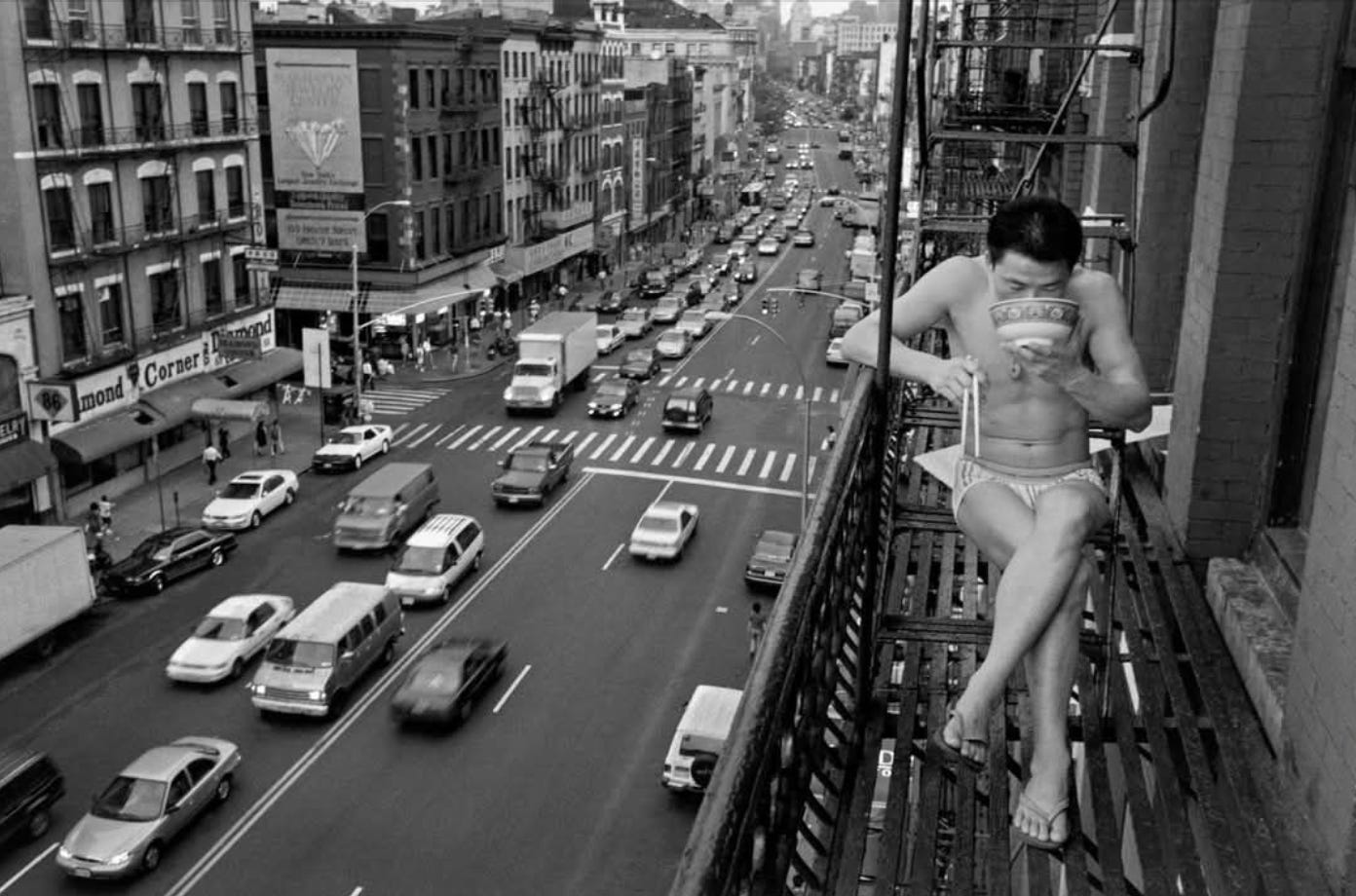
A man eating his noodles on a fire escape, looking down at 88 Bowery and Hester Street,
Chinatown, New York City in 1998. Photo by Chien-Chi Chang.
I had just taken a 70% pay cut from Blackstone to go work as an assistant at one of the best galleries in the world, David Zwirner. I justified the decision that I was investing in myself, betting on myself that if I got close enough to the best in the business I would learn something that I could eventually bring somewhere new. I wanted to contribute meaningfully to the cultural landscape that so far I was only a bystander in.
After several years working at Zwirner, I joined the sales team at Fergus McCaffrey. It was during my experience at these two Chelsea bluechip galleries that I started to understand what I actually wanted to do with everything I had learned.
I wanted to be in the room where decisions were made and to learn how a work of art gets valued, how it gets placed in a collection, and how the whole system actually operates. Then I wanted to take what I learned from that system and contribute to building the infrastructure where it did not yet exist.
There is an entire generation of collectors who are about to inherit the greatest wealth transfer in history, and I wanted to be their bridge to the world of art collecting. I could see the interest everywhere, and I could also see the Instagram accounts sharing their top ten art fair picks, the publications covering the market, the panels about collecting, but nobody was explaining why how to actually begin or why any of it mattered. I even sat on a panel once where someone in the audience asked, genuinely, ‘but where do I find an art advisor?’. I understood how the top of the market worked, and I wanted to translate that for a generation that was curious, capable, and ready. There was no clear framework for how a new collector begins, so I built one.
I began programming events while I was at Fergus McCaffrey in 2018 and 2019. I started hosting evenings for new and young collectors featuring the more accessible, entry-level price point of our artists’ inventory. Then in 2020 and 2021, I launched AP Art Salons, inviting people who had never bought art into the same room as gallerists, letting them hear directly how a gallery program gets built, why an artist gets chosen for that roster, and what makes something worth living with.
Nobody was buying at first but everybody was asking the same question. Where do I start? What should my first piece be? How do I know what I like? How do I know what’s good? I didn’t have a neat answer then but I had rooms full of people asking, so I kept showing up to meet them there. AP Art Salons evolved into Lower East Side gallery walks, then curating at People’s, then spearheading the New Art Dealers Alliance emerging collectors initiative, NADA Collects.
But before all of that, I still had a simple problem: too many people asking me for art recommendations of where to start, and too many individual emails with random art offers where I felt like I was just throwing spaghetti at a wall. That’s when my dear friend Megan O’Connor Elsayed told me I needed a Substack. I thought if I put my ten art picks from the week in one place, I could send every new client to that platform first. Tell me what resonates, I would say. Tell me if you’re drawn to the sculpture or the painting, the abstract or the figurative. We can start there.
What I didn’t expect was that the newsletter would become the answer to the question I had been hearing for years. Not just for my clients, but for anyone who had ever stood in front of a work of art and felt something they couldn’t name, and wanted to know what to do with that feeling.
Most people think learning to look at art means taking an art history class or following the right art-world insiders on Instagram or joining a museum patron group. But when I sit down with a new client, I don’t start there. I ask them what they like and why they like it; I want to know what they keep noticing or which images stand out and hold meaning. And almost everyone says the same thing: I don’t know why. There’s just something about it. That’s not a wrong answer and that’s exactly where we begin.
Looking at art starts with your own awareness, understanding what pulls you in, what stops you, and then finding the pattern of the things you keep returning to. The reasons are always going to be different for every person, because works hold different meanings to different people. But you still need to understand why you personally are drawn to something. You don't need an art history background to get there, you just need to understand why you personally want something.
This newsletter exists because of that question, and it is my attempt to answer it, one entry point at a time. Mine started with a photograph of a fire escape on the Bowery. Yours starts here.
Introduction: on learning to look
Start with Awareness: what do you keep noticing
Start with Intention: what do you actually want from this
Start with Looking: how to be in a room with art
Start with One Work: when to know something is yours
Start with Patronage: why supporting an artist’s practice matters
Continue with Love: what it means to collect art for life
I hope you enjoy this week’s selections.


Motohiro Takeda
Hanaikada (Flower Boat) #15 and Hanaikada (Flower Boat) #16, 2025
Concrete, cherry blossoms
14 x 11 x 1 inches
$3,200 each
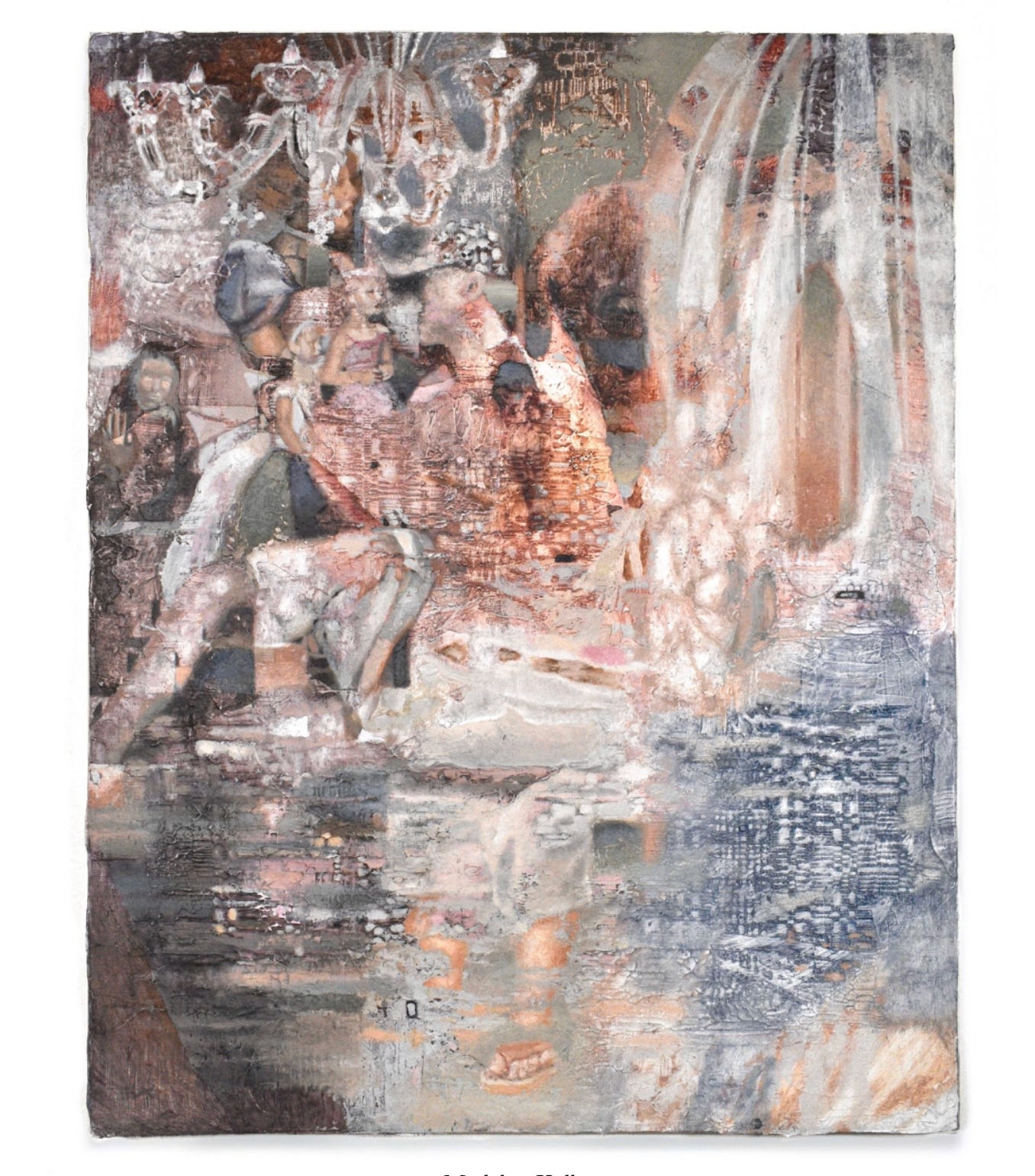
Madelyn Kellum
Ella I Saw You, 2026
Oil on canvas
28 x 22 inches
$4,000
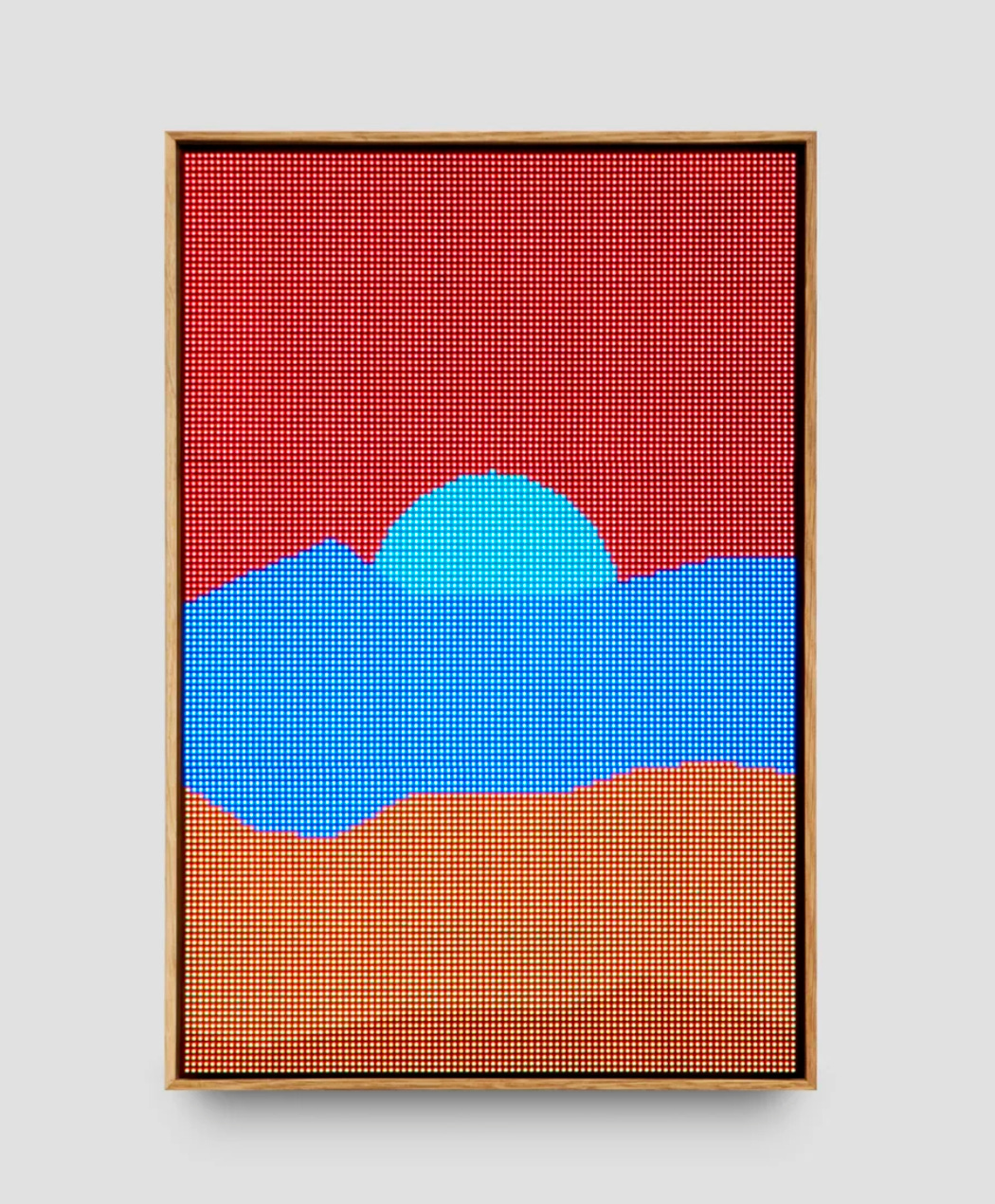
Ignacio Gatica
Sunset 07, 2025
Custom software, LED panels, single board computer, custom artist frame, power supply
15 x 9 7/8 x 2 3/8 inches
$10,000


Kevin Sabo
Untitled Martini I and Untitled Martini II, 2026
Acrylic and graphite on canvas
14 x 11 inches
£1,600 each
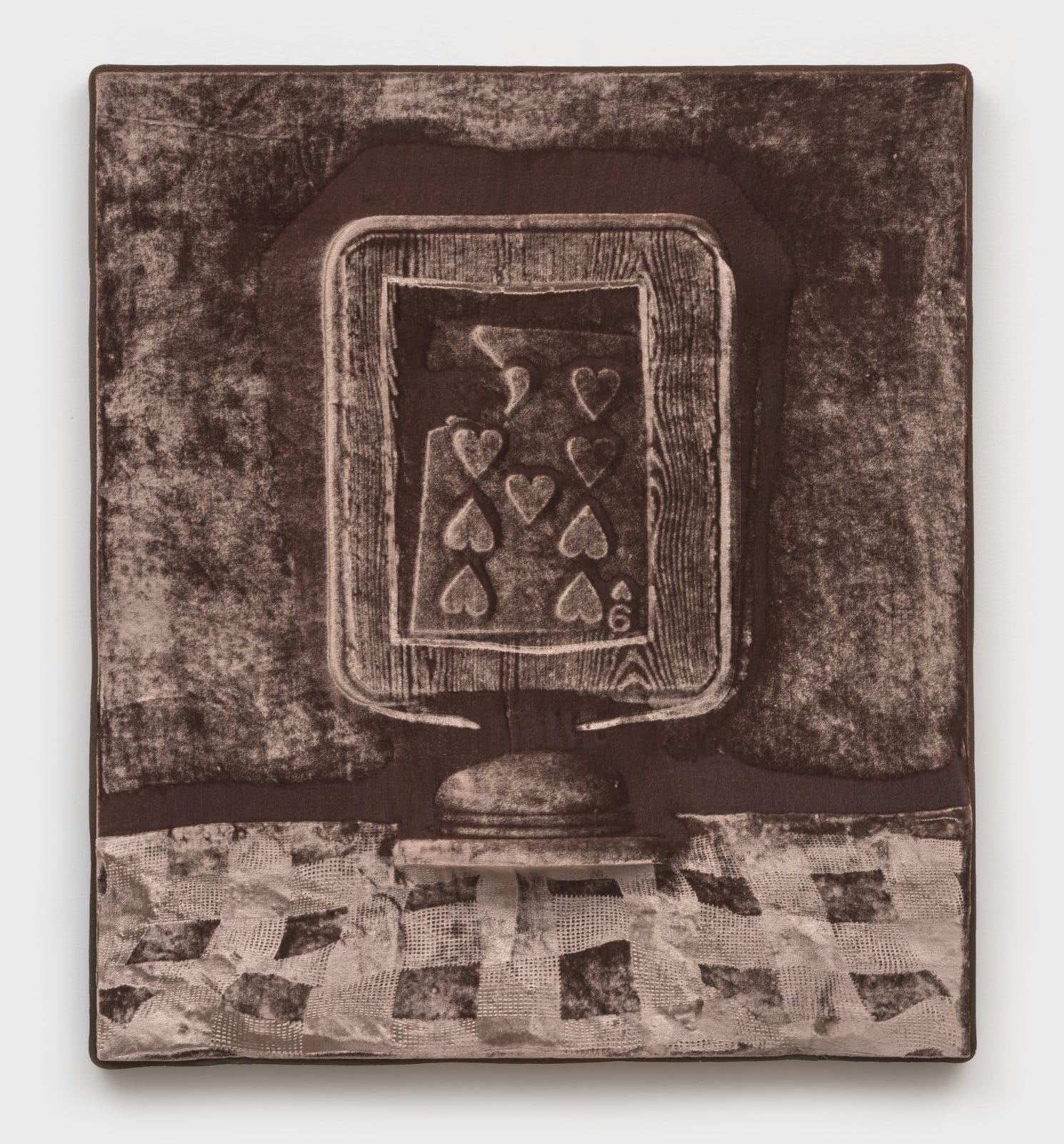
Lior Modan
The Bite, 2026
Velvet, foam, plastic, sand, epoxy putty in cast rubber frame
23 x 26 inches
$8,000
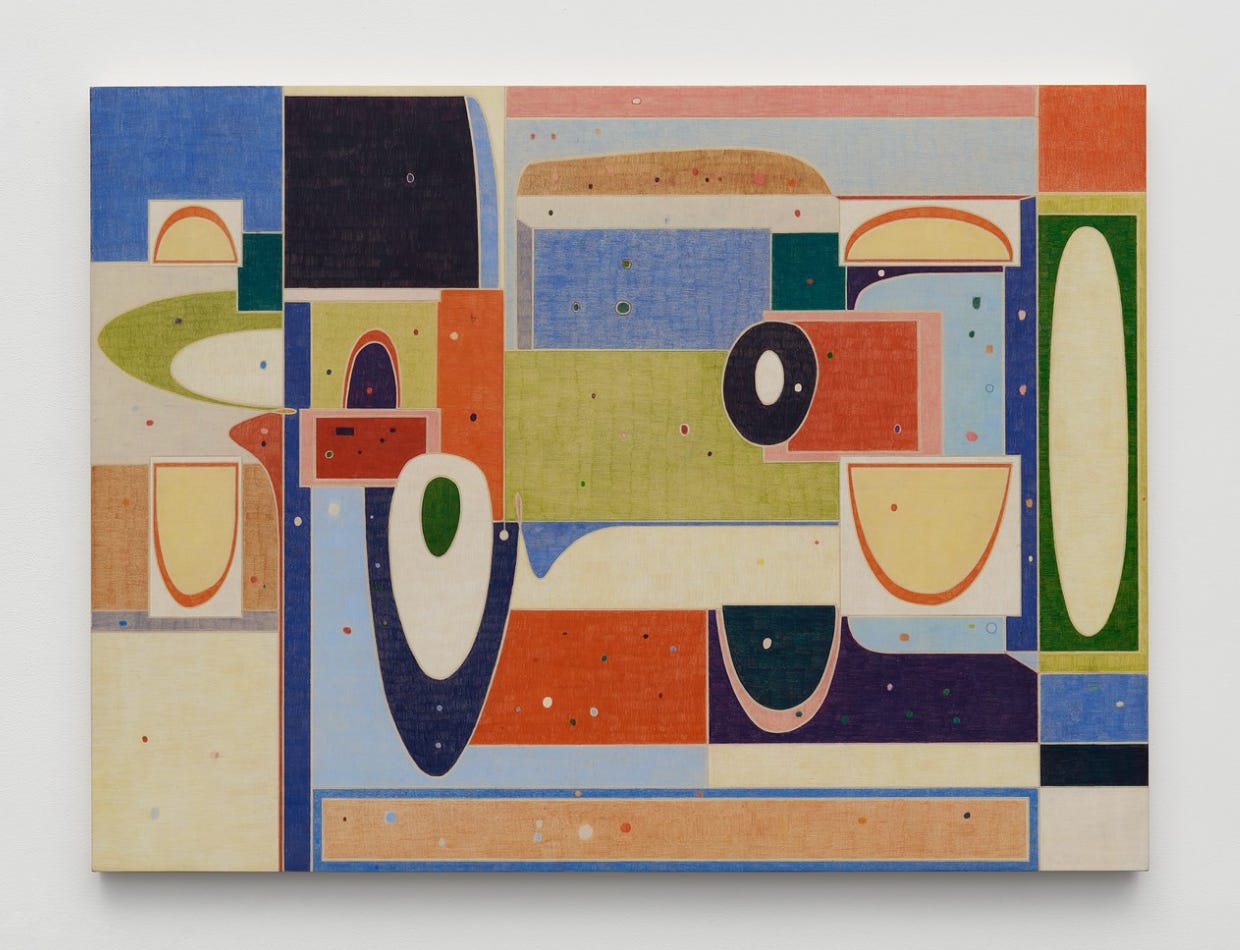
Marlon Kroll
Tabloid, 2026
Colored pencil on bed sheet over panel
30 x 40 inches
$9,500
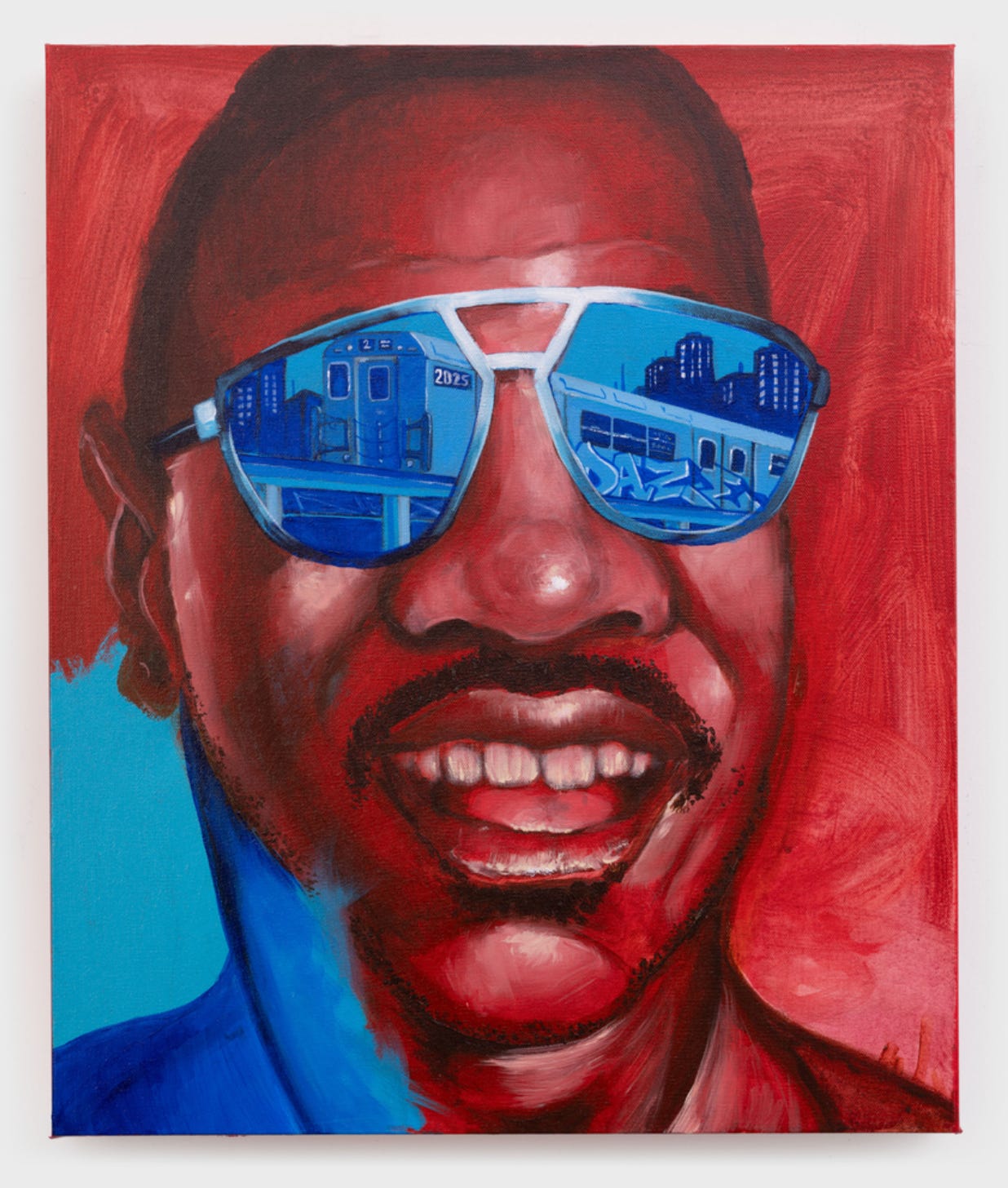
Chris “Daze” Ellis
Innervisions, 2025
Acrylic on canvas
24 x 20 inches
$8,500


Joshua Aster
Petals and Gourds, 2026
Egg oil tempera on linen
17 x 16 inches
$3,000 each
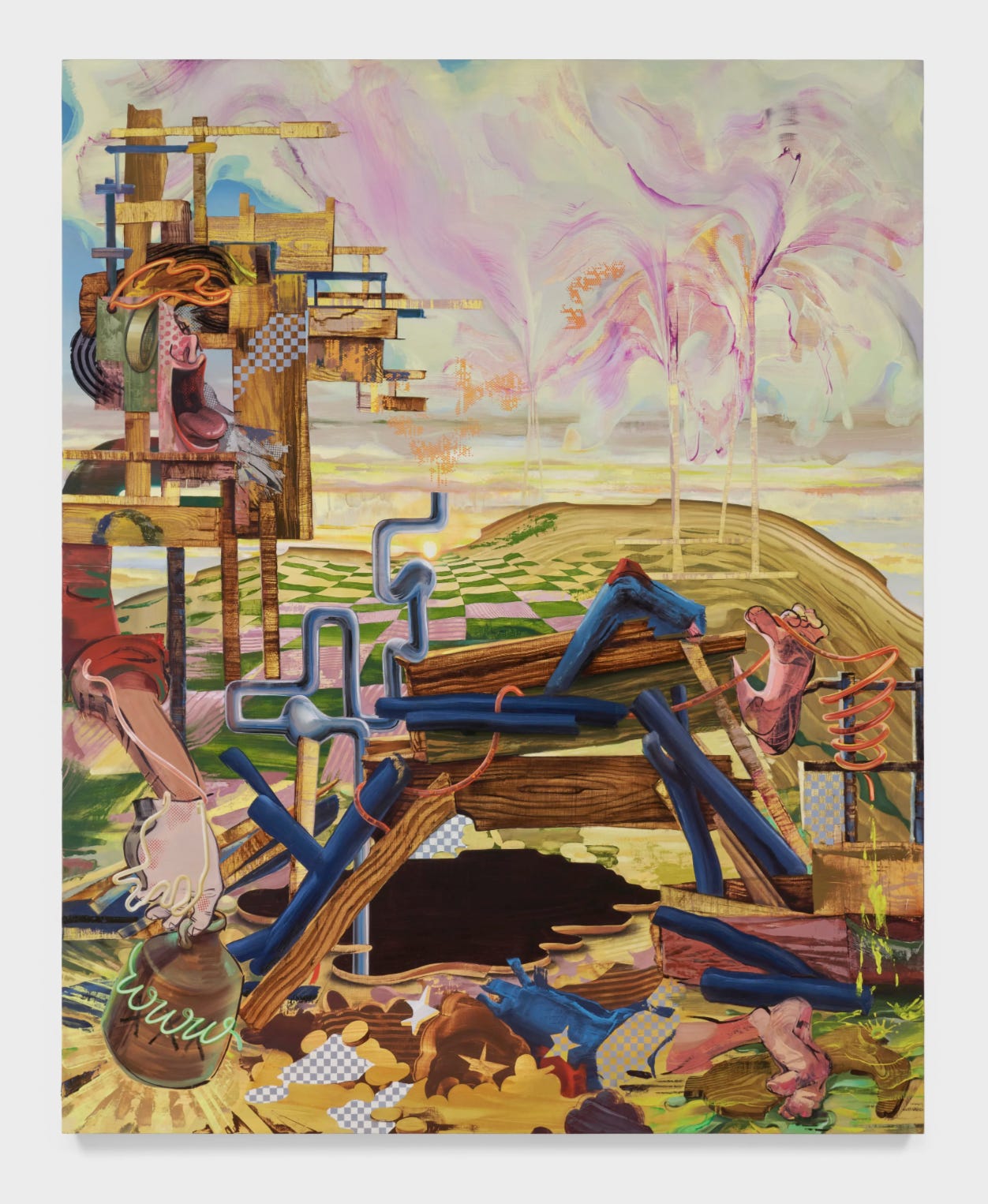
Margaret Curtis
Moonshiner Dataminer, 2026
Oil and ash on Dibond panel
60 x 48 inches
$16,500
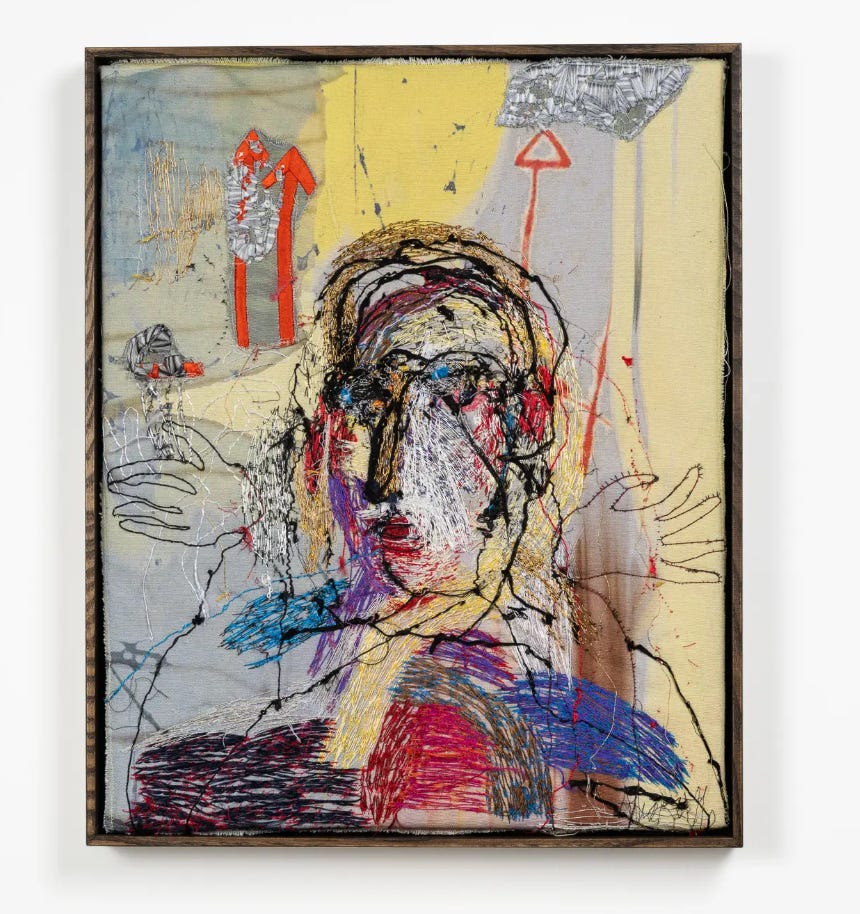
Alice Kettle
Catch, 2026
Various threads on printed linen mix
22 x 18 inches
£6,000